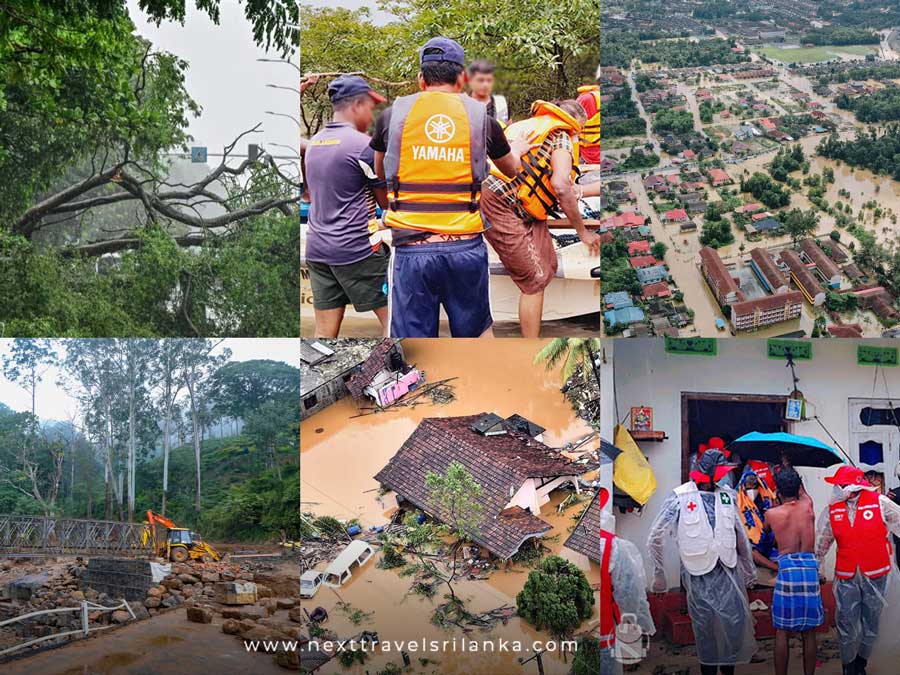
Cyclone Ditwah devastated Sri Lanka in late November 2025. It caused the nation to experience its biggest calamity since the tsunami of 2004, considering all the natural disasters Sri Lanka has faced so far. Cyclone Ditwah turned out to be very disastrous. However, Sri Lanka has started its journey of rebuilding. Certain lives that are not more, and there is inexplicable damage. But Sri Lanka continues to restore all the infrastructure. The beautiful island nation, with the help of foreign nations, donations from both the local and international communities, is reviving.
How Hard Cyclone Ditwa Hit Sri Lanka
Prior to discussing recovery, it is critical to understand how severely Cyclone Ditwah affected Sri Lanka. It changed from heavy rain warnings to a disastrous cyclone in a matter of days. By the conclusion of the first week, combined government and media reports indicated that there had been about 500 fatalities. About 300 were missing, and around 1.5–1.6 million individuals had faced direct impacts of the cyclone. Among the 25 districts of the country, 22 districts got official labels as disaster-affected. Large portions of the Western, North Western, and Sabaragamuwa provinces faced floods, and in the hill country, slopes collapsed. This caused landslides that tore through villages in districts including Kandy, Nuwara Eliya, and Badulla.

Some of the most obvious damage was to homes and community buildings. Families who lost their homes stayed in classrooms, prayer halls, and shelters since they did not know if they would be able to go back or if they would have to start over somewhere else. Additionally, schools, clinics, and local government offices suffered structural damage or flooding, which limited access to critical services and education.
Livelihoods and vital infrastructure faced impacts simultaneously. Many highways became inaccessible. Bridges faced damage, and floods impacted train lines and roads. All in all, the entire ecosystem of the country faced trouble. The disaster had an impact on almost all Sri Lankans in some way or other. Yet, what matters is how the country is rising from where Cyclone Ditwah put it.
Saving Lives in The First Hours After Cyclone Ditwa
The rebuilding process of the country after Cyclone Ditwah unofficially began with saving the lives of those who were at risk of floods or landslides, and those who were already facing them. There were evacuation warnings in the first place. Then, boats and helicopters with Sri Lanka’s military came into play for rescue operations.
Evacuation Warnings
Sri Lanka’s Disaster Management Centre started issuing evacuation advisories as the rain got heavier and rivers rose. That was particularly for low-lying communities along rivers like the Kelani and in mountainous districts that are vulnerable to landslides. People who live close to embankments, canals, and unstable slopes got advice from local authorities and media to relocate to safer areas or shelters. In reality, this meant families packing their belongings and paperwork into bags, closing doors behind them, and moving to shelters. Many people had to relocate to shelters in a matter of hours. The majority of those were public buildings and schools.
Community centers and religious places quickly joined this network. Buddhist temples, Hindu kovils, Catholic churches, and Islamic mosques welcomed these people. Some went to the residences of their relatives who were in much safer areas. These areas, where evacuees could enjoy a hot meal and wait for updates on family members who had remained behind, formed the core of the initial rescue operation.
Boats in the Streets to the Rescue
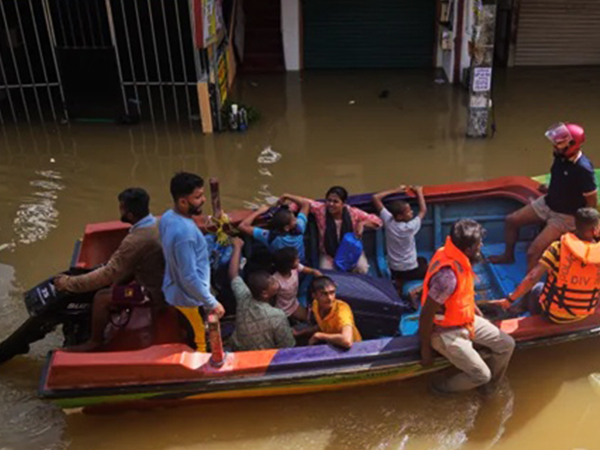
Boats were the only means of reaching people in many flooded towns and villages. The Sri Lanka Navy, Army, police, and community volunteers launched inflatable boats, fishing boats, and makeshift rafts to rescue inhabitants from flooded neighborhoods as rivers overflowed and streets became brown canals.
Large-scale rescues by naval forces took place in places like Mannar and Trincomalee, further north. The navy evacuated more than 300 residents from the Muthur area and moved them to a temple on higher ground when the Mavil Aru tank embankment partially collapsed. Another operation saved 157 individuals in Illuppukadavai and Settikulam. Over the course of many days, a joint Navy-Army expedition in Mannar transported stranded families to temporary camps. In order to reach homes where occupants had sought shelter on upper floors or rooftops, rescuers had to navigate through floods.
Helicopter Airlifts
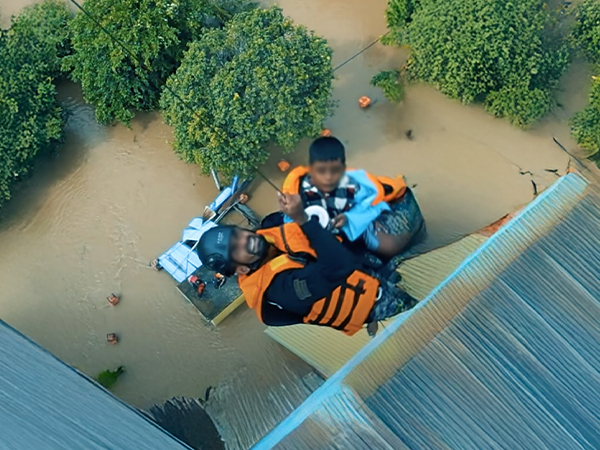
Helicopters became lifelines in areas where boats could not access. Bell-212 helicopters from the Sri Lanka Air Force conducted frequent missions over landslide zones and flooded plains, winching people to safety and delivering food and medication to those who needed them. One mission that received a lot of media attention occurred at the Manampitiya Bridge in Polonnaruwa. There, a group of travelers became victims of the flood. The Air Force rescued thirteen such individuals and took them to shelters. It was a Bell-212 from Hingurakgoda’s No. 7 Helicopter Squadron that took part in this operation.
Some rescues were even riskier. A Chetak helicopter from the Indian aircraft carrier INS Vikrant rescued a family of four. Another news segment that grabbed a lot of attention was a helicopter rescuing a man who was on a coconut tree for nearly 24 hours. Together, Sri Lankan personnel and Indian Air Force helicopters conducted dozens of sorties over severely affected central and northern regions. Those rescued residents from remote mountain homes and villages without access to the road.
How Other Countries Are Helping Sri Lanka Rebuild after Cyclone Ditwah
Following Cyclone Ditwa, neighboring nations and international partners have stepped up to support Sri Lanka. The support includes rescue efforts, relief operations, and long-term recovery in the country. Support from the international world has given the nation the necessary resources, knowledge, and unity as it tackles the massive work of reconstruction. In the early stages of recovery, the generosity of such countries has been essential, and it will remain so in the months and years to come.
India’s Support to Revive after Cyclone Ditwah
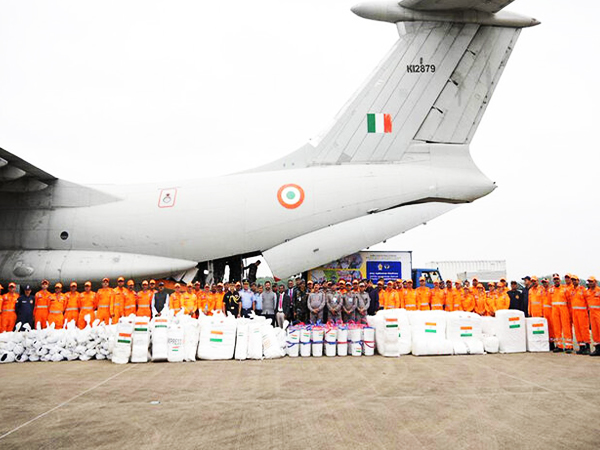
India reacted swiftly to begin a massive humanitarian response under the name Operation Sagar Bandhu as soon as Cyclone Ditwa started causing landslides and floods in Sri Lanka. India established itself as the first significant international responder with military planes, navy vessels, disaster-response teams, and humanitarian supplies. New Delhi established a crucial link at a time when many portions of the island were not accessible.
3 Ships from India
Deploying its Indian Navy was one of the first things India did, and it was crucial to the first rescue operations. Three Indian ships, including the aircraft carrier INS Vikrant and the stealth frigate INS Udaygiri, went straight to Sri Lanka with vital relief supplies. More than 12 tons of help, including tents, blankets, fresh food, dry rations, medical supplies, and other essential relief items, were there in these ships. On November 29, their arrival at the Sri Lankan port signaled the start of a significant international relief effort that would last for several days. Another Indian ship, INS Sukanya, sent extra supplies to Sri Lanka and was instrumental in distributing help to flood-affected districts.
Relief Flights
India promptly sent Indian Air Force (IAF) Mi-17 helicopters to aid in search and rescue efforts throughout Sri Lanka as part of their operation to help Sri Lanka. These helicopters were essential in getting to places that would not have been reachable otherwise because of landslides, floods, and infrastructural damage. The helicopters were specifically for transferring stranded families to safer locations from roofs and flood-prone neighborhoods. Additionally, they were crucial in getting food, clean water, and medical supplies to isolated settlements so that the most vulnerable people could get aid. During the immediate aftermath of the hurricane, the helicopters’ capacity to reach vast portions of the island, including remote communities and steep terrain, proved vital.
Support from the National Disaster Response Force
India contributed significantly to the rescue efforts by sending 80 members of the National Disaster Response Force (NDRF), four search dogs, and heavy rescue equipment in addition to providing necessary relief supplies. These skilled workers went to some of the most devastated locations, such as landslide-prone areas and flooded areas, where road access was almost impossible. The NDRF teams put in endless effort, frequently in very difficult circumstances, to find and extract victims.
Pakistan’s Support to Fight Cyclone Ditwah
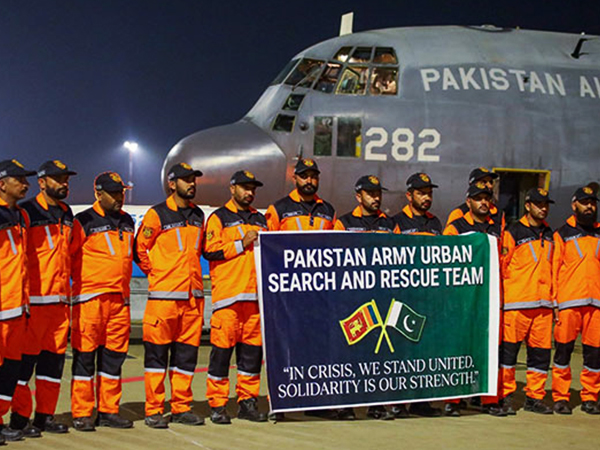
Following Cyclone Ditwa, Pakistan promptly responded to Sri Lanka’s distress appeal. And they sent rescue and humanitarian teams to help with relief efforts. While its military and disaster response teams collaborated with Sri Lankan authorities to aid villages hit by landslides and flooding, the Pakistani government gathered resources to offer urgent assistance. In addition to rescue activities, Pakistan’s humanitarian efforts concentrated on providing the vital logistical support required to guarantee that relief supplies reached the most severely affected districts. The strength of the South Asian cooperation, where cross-border solidarity shines in times of adversity, is what we see by Pakistan’s dedication to supporting its neighbor during such a sad period.
Helicopters by Pakistan
Pakistan dispatched helicopters to improve the rescue efforts. These helicopters were instrumental in reaching areas where roads were impassable. Mi-17 and Bell 412 helicopters were in use by the Pakistan Army Aviation (PAA) to help evacuate the needy individuals in remote areas. These helicopters transported people to safer areas, frequently in harsh weather and difficult terrain. Together with other foreign rescue teams, the Pakistan Air Force’s airlift capabilities assisted in the evacuation of the most vulnerable people, particularly those in need of medical attention, and provided vital relief supplies to those trapped in the most severely affected districts.
Other Forms of Support
Pakistan supplied vital relief supplies, such as food rations, tents, blankets, water purification kits, and other necessities. In collaboration with the local government and humanitarian organizations, the Pakistan Red Crescent and Pakistani diplomatic missions in Sri Lanka disbursed this aid. The Pakistani government also set aside emergency funding. Beyond the tangible aid, Pakistan provided technical teams with expertise in disaster response coordination, shelter management, and water purification, ensuring that communities impacted by Ditwa had access to the resources required for both survival and recovery in the immediate aftermath of the disaster.
The Support of the UAE for Revival after Cyclone Ditwah
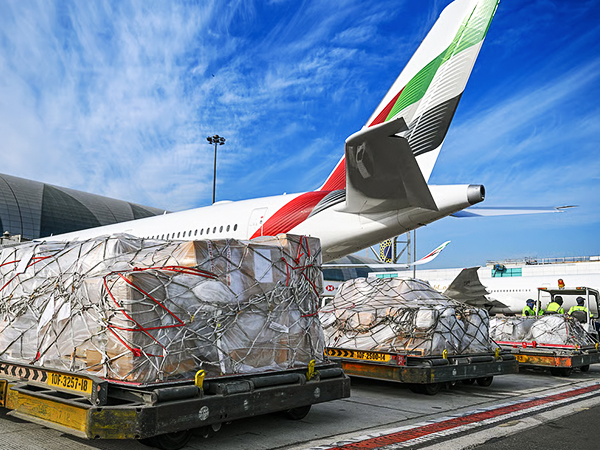
Following Sri Lanka’s call for international assistance, the United Arab Emirates (UAE) was also among the first nations to react. The UAE sent both financial support and goods to help with the initial relief operations. They provided many things, from emergency food rations to medical supplies. By supplying logistical support and sending relief teams to aid in evacuation and recovery efforts, the UAE also significantly contributed to the reconstruction of local communities.
Medical Aid and Humanitarian Support
Sending medical supplies to Sri Lanka was one of the UAE’s initial actions. To help the overworked local healthcare system, the UAE’s humanitarian organization, the Emirates Red Crescent, provided field hospitals, medical kits, and necessary medications. These supplies were essential for delivering emergency care to victims of floods and landslides, as well as those in need of treatment for waterborne illnesses, given the damage to healthcare facilities in many locations. In order to support evacuated families, the Emirates Red Crescent also assisted in setting up makeshift medical stations in evacuation shelters.
Logistical Support
The UAE also decided to contribute financially to help in restoration efforts in addition to providing emergency help. With an emphasis on rebuilding the most impacted areas, the UAE government decided to provide funding to assist Sri Lanka in repairing vital infrastructure, such as damaged roads, bridges, and water supply systems. Their long-term assistance is to help reconstruct communities, especially in the needy areas, in addition to meeting their urgent needs.
Maldives Supporting Sri Lanka to Battle Cyclone Ditwah
One of Sri Lanka’s closest neighbors, the Maldives, was also quick to offer assistance after Cyclone Ditwa’s devastating effects. The Maldivian government, along with its civil society and humanitarian organizations, mobilized to provide immediate support to Sri Lanka.
Immediate Supplies
Within 48 hours of the tragedy, Maldivian officials announced a relief package that included US$50,000 in cash and 25,000 cases of canned tuna from the state fisheries firm. The donation was to give immediate food assistance to households that face damage due to landslides and floods throughout Sri Lanka. The load of 14 containers was transported straight to Colombo Harbour by a ship from the Maldivian state-run shipping line. The Maldives High Commissioner formally delivered the goods to Sri Lankan authorities during the handover ceremony, which publicly demonstrated the Maldives’ commitment.
The People’s Support
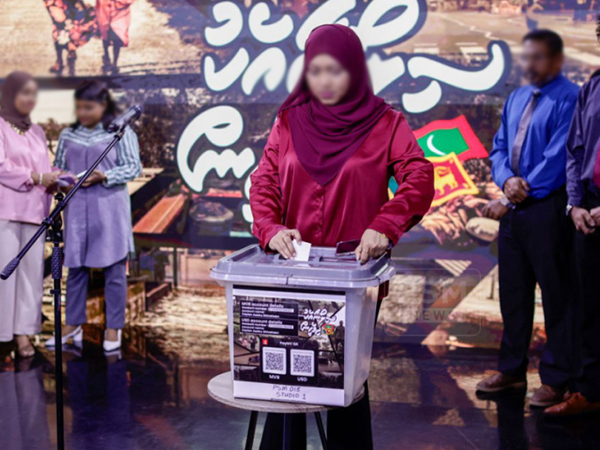
In addition to the food supplies and money, the Maldivian people contributed nearly US$800,000 for relief through a national telethon and donations from private companies, giving the official government grant a grassroots component.
Japan Helping Sri Lanka after Cyclone Ditwah
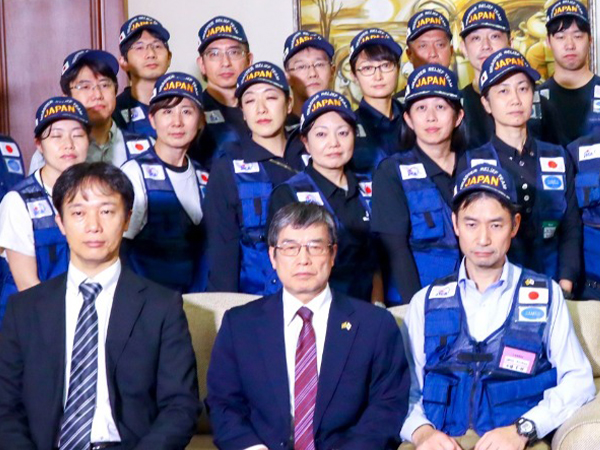
In the wake of Cyclone Ditwah, the Japanese government and Japan International Cooperation Agency (JICA) quickly showed solidarity and practical support for Sri Lanka. Japan’s reaction reflected its long-standing legacy of disaster cooperation with Sri Lanka by combining emergency aid, medical support, and logistical planning.
Shelter and Emergency Relief
Japan’s pledge was formalized on December 4, 2025, at Bandaranaike International Airport in Colombo, where JICA handed a sizable shipment of emergency relief supplies to be given to the people impacted by landslides and floods. In order to provide displaced families with emergency shelter and essential necessities, the package contained 200 tents, 1,200 blankets, 1,200 sleeping mats, 20 rolls of tarpaulin, 200 portable jerry cans, and 10 water purifiers. These necessities provided vital support for many individuals who faced the impacts of Cyclone Ditwah.
Medical Support
In addition to providing tents and blankets, Japan organized health sector assistance. On December 3, 2025, a 31-person medical team from Japan’s Disaster Relief (JDR) program arrived in Sri Lanka. The team consisted of physicians, paramedics, and support personnel. They provided outpatient care, first aid, environmental health surveillance, and basic medical services.
The Support of the USA
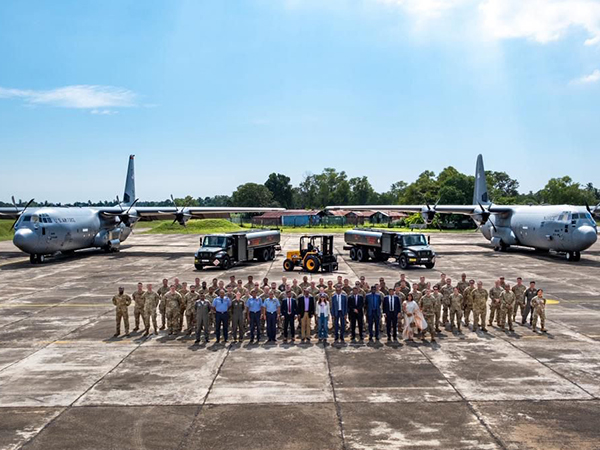
Following Cyclone Ditwa, the United States moved to support Sri Lanka’s initial recovery efforts by providing US$2 million in essential humanitarian aid. In order to meet the critical requirements of the impacted populations, such as the distribution of food, clean water, and shelter supplies, our financial gift was essential. Important supplies like medical kits and sanitary equipment, which were crucial in stopping disease outbreaks following the floods, were also there in the relief package. In addition to providing immediate relief, the United States’ financial aid significantly contributed to the stabilization of the impacted areas. That freed up local authorities and relief organizations to concentrate on long-term recovery and reconstruction projects.
Australia’s Support after Cyclone Ditwah
Australia also extended its assistance to Sri Lanka following the destruction caused by Cyclone Ditwa. In order to provide the numerous families impacted by floods and landslides with basic necessities, including food, clean water, and building supplies, the Australian government issued a humanitarian aid package of AUD $1 million. Later, they increased this by AUD $ 2.5 million. Also, to organize aid on the ground, Australian humanitarian agencies and non-governmental organizations actively participated in disaster-relief work.
Chinese Aid
The People’s Republic of China moved quickly to provide humanitarian aid to help Sri Lanka deal with the floods, landslides, and extensive damage caused by Cyclone Ditwah. The Sri Lanka Red Cross Society (SLRCS) received US$100,000 in emergency cash aid from the Red Cross Society of China to support continuing rescue and relief efforts, according to official announcements. In addition to this direct contribution, Chinese business associations and expatriate organizations in Sri Lanka raised an extra $32,500, which was added to relief efforts to help communities hit by landslides and floods.
Help from the United Kingdom to battle Cyclone Ditwah
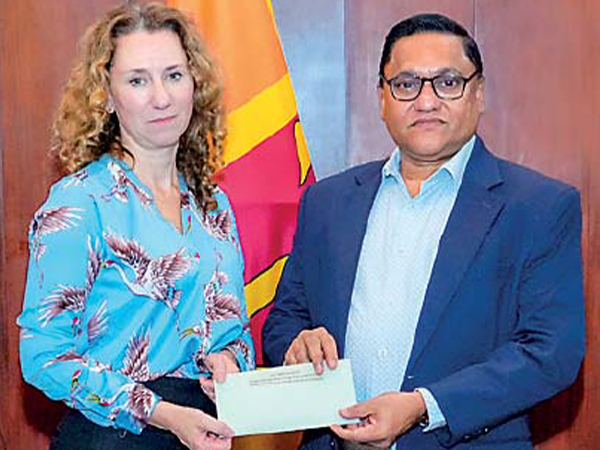
Following Cyclone Ditwah, the United Kingdom pledged US$890,000 (£675,000) in emergency humanitarian aid to help Sri Lanka deal with the situation. Respected humanitarian partners on the ground, such as the Sri Lanka Red Cross Society, UN organizations, and regional non-profits, have received this financing in order to give impacted families life-saving goods. The UK High Commission reiterated its solidarity and long-term commitment to Sri Lanka’s recovery during a ceremonial handover ceremony in Colombo. Officials emphasized that this assistance is more than a token gesture.
Support from Nepal
Shortly after Cyclone Ditwah devastated Sri Lanka, the Nepalese government issued a $200,000 financial aid package to help with emergency relief and early rehabilitation efforts. In its official statement, Nepal emphasized its long-standing friendship with Sri Lanka by offering condolences to the bereaved families and expressed profound grief for the deaths and extensive destruction.
Canadian Support to recover from Cyclone Ditwah
Canada responded to the destruction caused by Cyclone Ditwa by making a prompt humanitarian commitment. According to Canada’s Secretary of State for International Development, the Canadian government committed CAD 1 million, or roughly US$1 million, to support emergency relief efforts in Sri Lanka. This assistance is to pay for the provision of basic necessities to communities affected by landslides and floods, such as food, clean water, shelter supplies, and sanitary kits.
Myanmar’s Assistance
Following Cyclone Ditwa, Myanmar was also among the countries that offered support to Sri Lanka. Acknowledging the magnitude of the humanitarian crisis, the Myanmar government provided a shipment of vital relief items, like as medications, dry rations, water purification tablets, blankets, and hygiene products, to help displaced families in the districts most severely affected. As a gesture of friendship between the two countries, the humanitarian package was arranged by Myanmar’s Ministry of Foreign Affairs and given to Sri Lankan authorities.
WHO Pledges its Support to Battle Cyclone Ditwah
WHO offered US$175,000 in emergency financing to help restore vital health services in Sri Lanka’s overburdened health system in the immediate wake of the disaster. In order to detect and respond to outbreaks, particularly waterborne or vector-borne illnesses that frequently follow floods and displacement, this funding is being used to mobilize rapid-response medical and public health teams, guarantee clean water and sanitation where infrastructure was damaged, and improve disease surveillance.
Assistance from the World Food Programme (WFP) and other UN Bodies
The WFP quickly mobilized to assist Sri Lanka in responding to an intensifying humanitarian situation following Cyclone Ditwah, together with other UN agencies and humanitarian organizations. WFP issued a warning about impending starvation for millions of people as flooding devastated agriculture and interfered with supply systems. As a result, they sent food, water, sanitation kits, and emergency supplies.
How to Contribute to Sri Lanka to Help the Country Rise After Cyclone Ditwah?
The kindness of people and organizations worldwide can have a significant impact as Sri Lanka embarks on its arduous road to recovery after Cyclone Ditwa. People who want to help can do so in a number of ways, from making direct donations to using established channels to support certain aid projects.
To aid in the rehabilitation and reconstruction operations following Cyclone Ditwa, Sri Lanka has set up a special disaster relief fund. Under the Sri Lankan Government Disaster Relief Fund, a distinct account has been established expressly to accept donations for long-term reconstruction initiatives, medical supplies, shelter, and emergency help.
Financial Donations to the Government
If you are willing to contribute to the recovery process of Sri Lanka, it is advisable to transfer your donations through channels officially introduced by the government. Their information is as follows.
For Locals
If any local is willing to donate money, the following account is open for that.
| Account Name | Deputy Secretary to the Treasury |
| Account Number | 2026450 |
| Bank Name | Bank of Ceylon |
| Branch Name | Taprobane |
| Branch Code | 747 |
| SWIFT Code | BCEYLKLX |
For Foreign Nationals or Sri Lankans Living Abroad
Foreign nationals or Sri Lankans living abroad who are willing to contribute can use the following ways for donations in foreign currency to Sri Lanka.
| Currency | Bank | Recipient Account Name | Account Number | Routing Number / IBAN | SWIFT Code |
| US Dollar (USD) | Deutsche Bank Trust Company Americas, New York, USA | Central Bank of Sri Lanka | 04015541 | 021001033 | BKTRUS33XXX |
| Euro (EUR) | ODDO BHF Bank, Frankfurt am Main, Germany | Central Bank of Sri Lanka | 0000739854 | DE3950020200000739854 | BHFBDEFF500 |
| Pound Sterling (GBP) | HSBC Bank Plc, London, UK | Central Bank of Sri Lanka | 3960144 | 40-05-15 | GBA8MIDL4005139600144 |
| Pound Sterling (GBP) | Bank of Ceylon (UK) Ltd, London, UK | Central Bank of Sri Lanka | 88001249 | GB89BCEY405056880012249 | BCEYGB2LXXX |
| Japanese Yen (JPY) | MUFG Bank, Tokyo, Japan | Central Bank of Sri Lanka | 653-0407895 | – | BOTKJPJTXXX |
| Australian Dollar (AUD) | Reserve Bank of Australia | Central Bank of Sri Lanka | 81736-4 | 0920020 | RSBKAU2SXXX |
You can send money directly to the above bank accounts to support Sri Lanka’s post-Cyclone Ditwa recovery operations. These accounts are to make it easier for the people who faced impacts to get financial relief quickly. Your help will go directly toward delivering vital aid like food, shelter, medical supplies, and infrastructure reconstruction. Every donation, regardless of size, is essential to Sri Lanka’s healing and reconstruction efforts.
Government Allocations for Recovery following Cyclone Ditwah
The Sri Lankan government has allocated significant funds to aid in the country’s reconstruction following Cyclone Ditwah. A supplemental allocation of LKR 50 billion for 2025, intended for emergency relief and rehabilitation activities, was authorized by Parliament. To help homes, farms, school children, and businesses that faced the biggest impacts due to Cyclone Ditwah, the government implemented a comprehensive compensation and support package in addition to public works funding and infrastructure restoration. They include the following.
- Families with houses that faced complete destruction are eligible for up to LKR 5 million. An extra LKR 5 million is available to people who are unable to obtain new land.
- Depending on damage assessments, households with partial damage are eligible to receive up to LKR 2.5 million.
- LKR 25,000, which was recently increased from LKR 10,000 to assist with debris clearance and basic cleanliness restoration, is available to all impacted homes.
- Compensation of LKR 1,000,000 to the family of each person who died in the accident.
- A payout of LKR 400,000 for impacted registered fishing vessels.
- A grant of LKR 200,000 to impacted livestock or animal farms that are registered with veterinary authorities.
- For homes impacted by disasters, the first cleaning and sanitation payout is LKR 25,000 per household.
- Grant per hectare for agricultural lands that have been harmed:
- Damaged paddy crops will cost LKR 150,000 per hectare.
- For damaged vegetable fields, LKR 200,000 per hectare.
- Each impacted student will get LKR 25,000 to assist with the purchase of school supplies
The above are a few of the measures the Sri Lankan government took to energize the economy again, as well as to protect its people.
Relocation of Displaced Communities due to Cyclone Ditwah
Many displaced families were able to return to their homes as the floodwaters started to recede. But this was not always an easy procedure. For some, going back home meant dealing with the terrible fallout from significant damage, including homes that had been demolished or destroyed, crops that had been washed away, and livelihoods that had been disrupted. Many people had to clear debris from their homes and make repairs before they could return, even though the government offered temporary housing and financial aid for reconstruction. In addition to rebuilding homes, the reconstruction operations concentrated on reestablishing essential utilities, including power, water, and sanitary facilities, all of which were vital for public health and safety.
Returning home was a bittersweet experience for families who had managed to salvage some possessions. Seeing their homes destroyed or severely damaged had a severe emotional toll. Even though they had to temporarily live in temporary housing, many people expressed relief at being back in their neighborhoods.
Finding land plots in safer locations was a major goal of the relocation operations. These are for households residing in high-risk areas like flood zones or hillsides prone to landslides. To enable families to leave dangerous locations and start rebuilding their lives, the government set aside state-owned property for resettlement. Together with local authorities, the Ministry of Housing and Construction developed a comprehensive plan for relocation. It comprised new housing developments with basic utilities, including power, water, and roads.
Restoration of Essential Services and Power After Cyclone Ditwah
Restoring power, water, and basic services were essential to Sri Lanka’s recovery operations after Cyclone Ditwa. Resuming vital services was a top priority for the government and humanitarian agencies. The floods and landslides had already damaged most of the nation’s infrastructure. Despite the enormous difficulty, quick and well-coordinated efforts were able to restore important systems. And it helped give those impacted by the cyclone much-needed aid.
One of the most urgent demands was the restoration of electricity in many places. And that is especially in Colombo, Gampaha, Kalutara, and other districts that had floods, and areas without power for several days. The electricity workers could restore about 70% of power outages in the first several days following the cyclone. And most places had a complete restoration within a week. Rebuilding electrical lines, fixing substation equipment, and swapping out broken transformers were the main goals of the restoration project. Temporary generators were available in medical facilities, evacuation centers, and water treatment plants in the areas that had severe impacts. That ensured that vital services could continue even at the height of the crisis.
Flooding contaminated nearby wells and damaged piped water distribution networks, further undermining water delivery infrastructure. The National Water Supply and Drainage Board (NWSDB) responded by treating tainted water sources, clearing obstructions, and fixing damaged pipes.
Rehabilitation of the Transport System
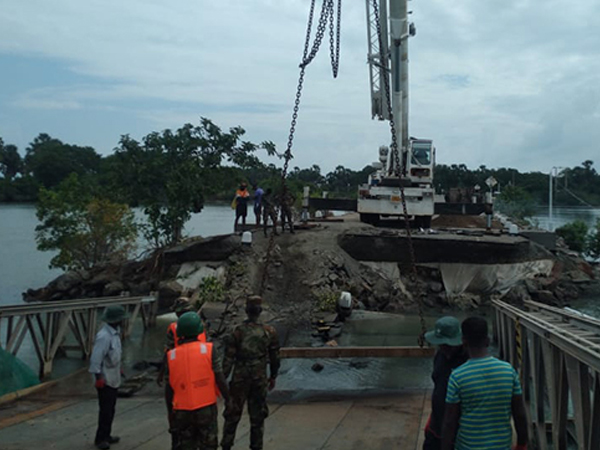
One of the most important works following Cyclone Ditwa was the rehabilitation of roads, bridges, and transportation networks. Roads were swamped, bridges were wrecked, and railroads were interrupted as a result of the catastrophic floods and landslides that cut off several sections of Sri Lanka from the rest of the nation. The flow of people, relief supplies, and rebuilding resources was severely hampered by these difficulties. Since it was essential for rescue operations, the delivery of emergency supplies, and long-term rehabilitation efforts, restoring connectivity was a top priority.
In order to evaluate the damage and start repairing major national highways, rural roads, and bridge infrastructure, the Sri Lankan government promptly deployed its resources. Rapid-response crews were sent to remove fallen trees, clear debris, and repair temporary road blocks in the initial days following the cyclone. Major thoroughfares, including the Southern Expressway and the Colombo-Kandy road, were cleared of debris in less than a week, enabling the delivery of relief supplies and necessities to the impacted communities.
Restoring small and medium-sized bridges that had been devastated by the floods was one of the biggest initiatives. Emergency bridge kits for quick repairs were supplied by the government and foreign partners, especially for crucial transportation routes that connect remote rural areas.
To remove debris and fix damaged train infrastructure, the Sri Lanka Railway Department collaborated with technical teams from India. Some trains were back in service in a matter of days, but it took several weeks to fully restore the network, particularly in isolated and hilly places. Most railway tracks were open only partially. Estimates highlighted that the restoration of railway tracks in certain areas would require a few weeks.
Restoring Healthcare After Cyclone Ditwah
Many hospitals, clinics, and health centers were damaged by the floods and landslides brought on by Cyclone Ditwah. This prevented thousands of individuals from receiving the necessary healthcare services. But many of them were already hurt or in need of immediate medical attention. Rebuilding these facilities was essential for both providing emergency medical care and stopping the spread of illnesses. Those include vector-borne infections and waterborne diseases that frequently follow such large-scale disasters.
Following the cyclone, the government started restoring and rehabilitating medical facilities. That was in collaboration with the WHO, Sri Lanka’s Ministry of Health, and other foreign partners. To provide emergency medical care, temporary field hospitals were set up in the most devastated locations. Teams of physicians, nurses, and medical specialists were sent to work in these makeshift arrangements. For instance, hospitals in Gampaha and Colombo that had been destroyed by water were promptly restored. And vital medical equipment was brought in to guarantee the continuation of critical care services.
Restoring vital health infrastructure in rural and isolated areas was one of the most noteworthy initiatives. To provide services to impacted populations, the government concentrated on establishing mobile health clinics in collaboration with international health groups. For those residing in temporary shelters, these clinics provide primary care, maternity and child health services, and emotional assistance. Additionally, mobile teams distributed basic medications, administered immunizations, and offered medical help door-to-door in remote locations.
Recovery in Agriculture after Cyclone Ditwah
Rebuilding livelihoods and agriculture following Cyclone Ditwah is now one of Sri Lanka’s top priorities for long-term recovery. Rural incomes and food security have been negatively impacted by the cyclone’s devastation to crops, cropland, livestock, and fishing infrastructure because it occurred during the critical Maha cultivation season. Ditwa temporarily eliminated many families’ main source of income in addition to washing out a single harvest.
Silt, debris, and damaged soil structures were left behind as rice fields in the key farming regions were flooded. Fruit orchards suffered severe wind damage, while vegetable-growing areas in the central highlands saw complete harvests perish in soggy fields. Among those most affected were smallholder farmers, who frequently rely on one or two crops annually. In addition to ruined crops, many returned to their land to discover broken irrigation canals, collapsed boundary fences, and eroding topsoil that would take weeks or even months to repair.
The government started providing financial aid packages to help farmers replant soon in an effort to revitalize the agricultural economy. Paddy, maize, and grain farmers received grants from compensation systems. Vegetable growers whose fields sustained more losses received larger compensation. Simultaneously, funds were given to fishermen in coastal communities to replace or repair damaged boats and equipment. And livestock caretakers received assistance for lost animals and damaged shelters.
Support from Locals and the Power of Volunteers to Fight Cyclone Ditwah
One of the most amazing factors contributing to Sri Lanka’s quick recovery following Cyclone Ditwah was its own citizens. The nation’s response was centered on the collective strength of Sri Lankan individuals. They donated, rescued, volunteered, and fed others, alongside government agencies, other countries, and humanitarian organizations, playing crucial roles. Communities throughout the island mobilized at a rate never seen before. This demonstrated that Sri Lanka’s greatest resilience originates from within.
Local Contributions and National Relief Campaigns
Everywhere around the island, Sri Lankans volunteered to help families impacted by the disaster. Individuals, religious organizations, educational institutions, business associations, and neighborhood collectives all contributed generously. Tens of thousands of displaced people received vital supplies thanks to enormous relief initiatives led by major national media networks, in addition to these grassroots contributions.
One of the most reputable humanitarian organizations in the nation, Manusath Derana, quickly started an emergency relief effort, gathering dry rations, blankets, medication, and sanitary supplies from the general public. Within hours, supplies were sent to the most impacted districts thanks to their islandwide network. In a similar vein, the long-running disaster relief program Sirasa–Shakthi Sahana Yathra organized truck convoys that sent prepared meals, drinking water, clothing, and infant necessities. Public donations, ranging from kids providing their pocket money to company owners donating truckloads of items, were the only source of funding for these operations.
Additionally, communities set up their own hyper-local contribution systems. Offices held donation drives for workers from impacted areas, apartment collectives loaded big crates with necessities, and places of worship, including mosques, temples, and kovils, offered their halls as drop-off locations.
Southern Fishermen with Boats
Fishermen from the Southern Province emerged as one of the cyclone’s unanticipated heroes. Dozens of fishermen carried their personal boats onto trailers and traveled to Colombo, Gampaha, and Kalutara, the districts that had the greatest flooding, from towns like Matara, Tangalle, Dikwella, and Mirissa.
Their multi-day fishing boats and small fiber boats made their way through inundated neighborhoods and narrow alleys that were inaccessible to larger rescue boats. Hundreds of stranded families, including the elderly, young children, and those stranded on rooftops, were saved by these fishermen.
Volunteers for Emergency Operations
After Cyclone Ditwah, volunteerism reached unprecedented heights. Many volunteers, who mainly included university students, showed up at the Disaster Management Center (DMC) to assist in handling the massive volume of distress calls. They collaborated with DMC officials to track missing people, log information, and communicate urgent rescue needs to field troops. Thanks to their assistance, thousands of calls could be handled swiftly, guaranteeing that no request for assistance was turned down.
Volunteers arranged food distribution, ration packs, clothing sorting, and kid-safe activities in evacuation centers and temporary shelters. Crowd control, medical assistance, and supplies distribution were within the safe hands of university students, corporate teams, scout groups, and youth organizations. During the height of the crisis, their presence greatly reduced the strain on overworked government employees and humanitarian workers.
Community Kitchens
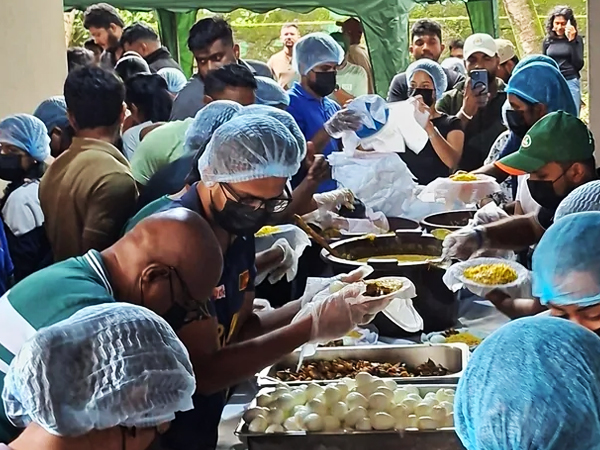
Community kitchens quickly became lifelines for tens of thousands of displaced people. Local cooks, restaurant owners, students, and temple committees in villages, towns, and cities cooked many meals every day. Using donated rice, vegetables, gas cylinders, and dry rations, some kitchens ran around the clock. Others brought hot meals straight to rescue personnel, hospitals, and shelters.
Volunteers maintained these kitchens, and they cooked massive pots of rice and curries to feed entire camps. Food became a source of comfort and nourishment during a crisis.
President’s Reminder of the Humanity of Sri Lankans
The President emphasized that Sri Lanka’s people’s humanity is the country’s greatest strength during Cyclone Ditwa. He publicly thanked individuals who generously donated despite financial difficulties and volunteers who volunteered their time. The following is a quotation from his address in parliament during the 3rd reading of the 2026 budget, as shared by the President’s Media Division.
“In any disaster, property and human lives may be lost. Yet this disaster too has proved that the humanity within our people is such a powerful quality that it cannot be taken away by any tragedy. They contribute and make sacrifices to the best of their ability. Likewise, Sri Lankans overseas are tirelessly collecting funds for the sake of our people, day and night. When the blood bank announced that it was short of 1,500 units, 20,000 units were provided. That is the humanity in our nation which cannot be erased by any disaster.”
The Bottomline
Over the years, Sri Lanka has encountered many difficulties. One such is the horrific civil war that raged for decades. And the 2004 tsunami that destroyed entire coastal settlements and killed thousands of people was another. The country’s resilience was tested recently by the COVID-19 pandemic and the Easter Sunday attacks in 2019. Sri Lanka has consistently shown an amazing capacity to rise from the ashes, rebuilding, recuperating, and moving forward with unity and strength in spite of these awful tragedies. Cyclone Ditwa’s aftermath is no exception. Despite the devastation, Sri Lanka will once again stand tall thanks to the people’s tenacity and international support. Sri Lanka will overcome this obstacle and come out stronger. And it prepares to face the future, even though the road to recovery is challenging.