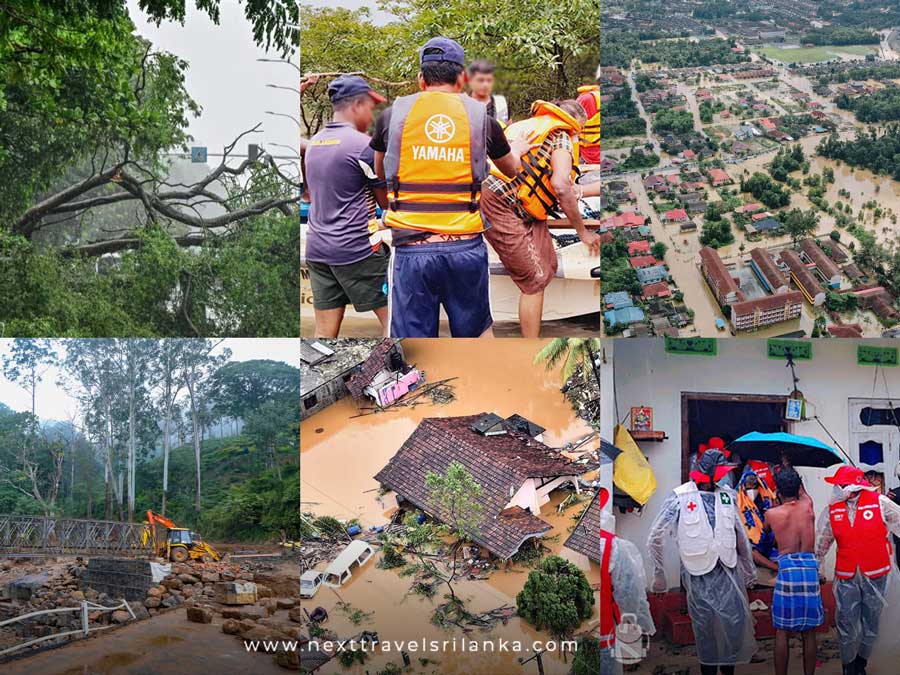
Cyclone Ditwah was more than just another tropical storm on a meteorological map when it made landfall in Sri Lanka. Over a few intense days, from around 26th to 29th November 2025, roads became rivers, suburbs became shallow lakes, and peaceful hill villages were transformed into images of crumbling ground and shattered houses. Many Sri Lankans identify this flooding and landslide destruction as one of the worst natural disasters they have ever encountered.
Only one part of the story is shown by the numbers. The cyclone’s floods and mudflows directly affected countless citizens. Hundreds of people died, and many more were hurt or reported missing. Within hours, thousands of people’s homes, vehicles, and possessions were destroyed. Entire neighborhoods were flooded. Electricity and water lines were severed. Large tracts of vegetable farms, tea plantations, and paddy fields vanished under standing water at the same time. Unfortunately, it endangered future harvests and rural incomes.
However, the footprint of damage done by the cyclone is the main focus of this article. It examines how and where the floods occurred, what was destroyed, and how the catastrophe affected the environment, vital services, and the local economy. By doing so, we hope to highlight the real costs of Cyclone Ditwah, and the floods in Sri Lanka.
Areas in Sri Lanka Hit by Cyclone Ditwah
It was not just a single area of Sri Lanka that was affected by Cyclone Ditwah. It spread a swath of fierce wind and rain over nearly the whole island. This made the catastrophe feel genuinely national for a small nation like Sri Lanka. Plantation slopes collapsed in lethal landslides, low-lying cities flooded, and villages distant from major thoroughfares were abruptly cut off by flooded rivers and damaged roadways. After the cyclone, the government declared 22 out of the 25 districts of the country as national disaster–affected areas. According to official figures, it is clear that around 1.6 million people in all 25 districts have been affected. More details about the areas in Sri Lanka hit by Cyclone Ditwah follows!
Western Province and Colombo
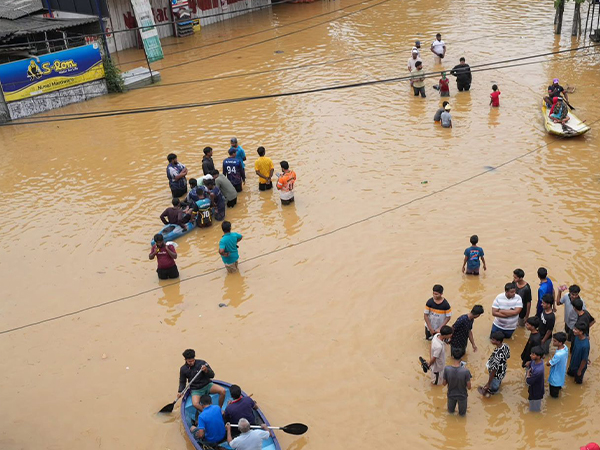
One of the most obvious representations of the cyclone’s effects is the Western Province, which contains the capital city of Colombo. Built around canals and the mouth of the Kelani River, Colombo is a densely populated coastal city. This river and numerous drainage canals were unable to handle Ditwah’s rain. Water flooded into neighborhoods that are only a few meters above sea level, overflowed banks, and backed up through canals.
Parts of Gampaha and Kalutara, as well as suburbs on both banks of the Kelani, became a patchwork of flooded streets and drowned ground floors. Brown water seeped over walls and engulfed parked cars in many parts, forcing residents to relocate upstairs or onto rooftops or be rescued to safe places. It took time for the flood to subside. Many lowlands, particularly the ones affected by the Kelini River, had water for about 5 days. The fact that Sri Lanka’s administrative and commercial hub was rendered physically immobile in this manner showed how strong the impact of the cyclone and floods were to make the most advanced regions of the country vulnerable.
Hill Country

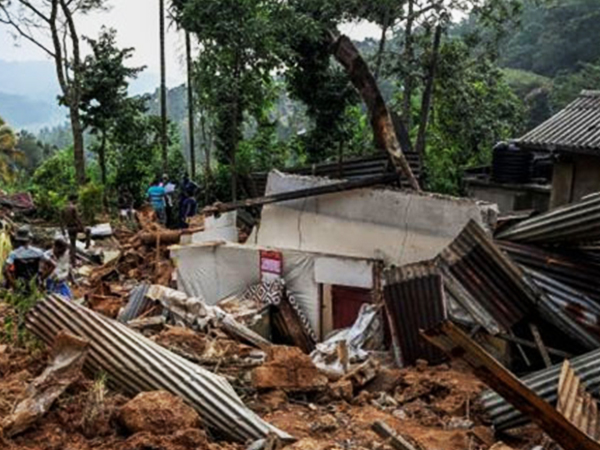
The central highlands were threatened in a different way than the Western areas. They had to deal with quite a lot of landslides. Tea-covered hillsides and cool weather are the hallmarks of districts like Kandy, Nuwara Eliya, Badulla, and Matale. Additionally, they have twisting mountain roads, tiny valleys, and steep hills. These hills had the effect of floods by Cyclone Ditwah’s unrelenting rain. The ground started to move when it could no longer retain the moisture.
Unexpectedly, hillsides fell, causing mud, rocks, and uprooted trees to crash through houses and workspaces. These districts are responsible for a large portion of the hundreds of deaths and missing persons reported nationwide, as well as numerous fatal landslides. Towns and villages higher up were shut off by fallen dirt and debris blocking important mountain highways. Communities that depend on a single road or track to access markets, schools, and hospitals went into isolation when railway lines in certain regions faced trouble. The cyclone left behind new scars along the slopes in addition to water marks in these upland areas.
Isolated Villages in the North and East
Cyclone Ditwah also pounded the island’s northern and eastern regions, far from the capital and tea heartland. Here, overflowing rivers, irrigation tanks, and reservoirs that were unable to release water quickly were the main causes of the devastation. Rising levels caused them to overflow onto village streets and farms, transforming well-known routes into hazardous waterways.
In Mannar, Trincomalee, and Batticaloa, where a considerable rural population rely on fishing and agriculture, effects were particularly severe. In these areas, a large number of communities rely on low causeways that cross rivers and canals or are situated at the end of narrow access roads. Entire villages became islands when their connections faced the repercussions of the floods. Local business owners had to close their businesses, fields were underwater, and contamination of wells was another issue. All these left the residents helpless. Lagoons and estuaries grew larger in certain coastal areas, eroding banks and forcing floodwater farther inland. The cyclone’s effects on daily life were equally severe, despite the fact that these regions received less worldwide media coverage than the city.
Types of Floods Caused by Cyclone Ditwah
There were several types of floods caused by Cyclone Ditwah. Major rivers overflowed, city sewers backed up, and rural tanks and canals poured into nearby areas, setting off a domino effect throughout Sri Lanka’s water systems. The differences between “river flooding” and “urban flooding” were irrelevant to those on the ground at the time. Water arrived quickly, lingered longer than anticipated, and caused extensive damage.
Flood around Major Rivers of Sri Lanka
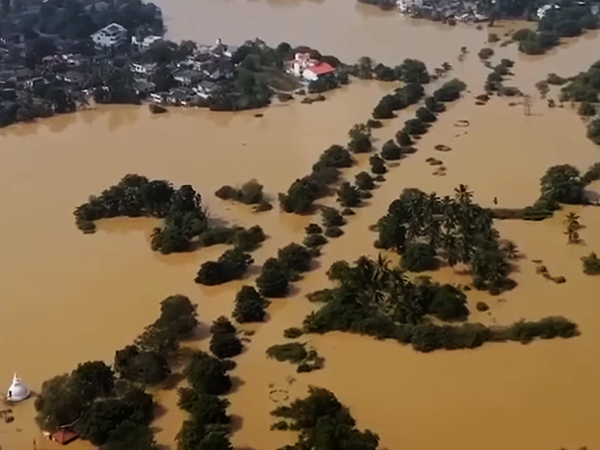
The major rivers of Sri Lanka are essential for daily life, transportation, and irrigation. Several of them became dangerous during Cyclone Ditwah. Days of heavy rainfall caused the water levels in the Kelani River, which flows past Colombo and through heavily populated neighborhoods, to rise quickly. Major floods along the Kelani River submerged low-lying communities from Norwood and Eheliyagoda in the upper basin down through Yatiyantota, Ruwanwella, and Seethawaka to the heavily populated suburbs of Kaduwela, Biyagama, Kelaniya, Wattala, Kolonnawa, and northern Colombo. As a result, the entire river valley became a disaster zone.
Similar incidents occurred along other significant rivers and tributaries, where gauges rose into hazardous areas before continuing to rise. Apart from the Kelani River, the Attanagalu Oya also caused a lot of similar trouble. Gampaha town and other low-lying towns were forced to evacuate as the Attanagalu Oya, a minor but densely inhabited river in the Western Province, swelled over the danger level.
This meant that towns around rivers had very little time to respond. Floodwater was suddenly lapping at doorsteps and flooding inside homes that are normally well above the waterline. Many families store their primary residences and small businesses on ground floors, which are prone to floods. School books, appliances, and furniture began to float in the murky water. Temples, mosques, and churches near the water saw their courtyards vanish beneath whirling currents, while small factories and workshops along riverbanks had their equipment and livestock facing destruction. Thousands of students’ studies faced disruption when schools in these areas became islands and went into closure. Swollen rivers kept surrounding neighborhoods underwater for days, even after the rain stopped, extending the damage.
Urban Flooding Turning Streets into Canals
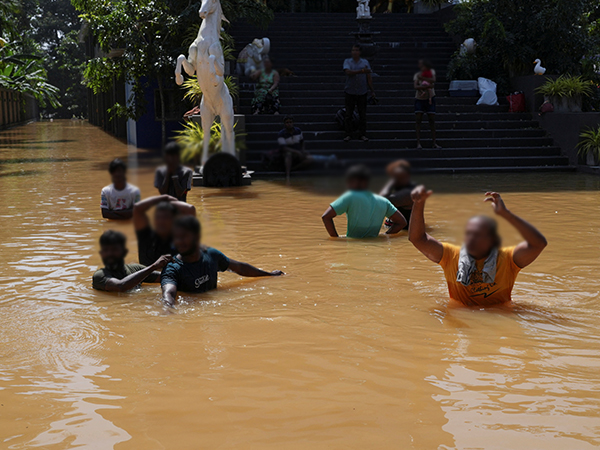
Large rivers were not the only issue in major cities like Colombo. Storm drains, canals, and pumping stations could not handle the heavy, persistent rain. A significant amount of runoff from roads, concrete roofs, and certain developments was already causing a lot of damage. They just failed in the rains of Cyclone Ditwah.
Water was between towering boundary walls and rows of buildings, turning entire streets into swift-moving channels. In the middle of the road, cars and three-wheelers faced destruction. Parking lots in certain apartment complexes and office buildings had water gathererd like swimming pools, damaging cars and electrical equipment. Water rose to knee height or higher on the bottom levels of homes and small businesses, soaking documents, stock, wiring, and walls. Perishable items were no longer in good condition in grocery stores. The tools and equipment of mechanics, tailors, and beauty salons needed a lot of repair. The sight of famous intersections, bus stops, and marketplaces turning into brown canals was a sobering reminder to city people of how precarious urban life is when drainage fails.
Rural Flooding that impacted Fields, Tanks, and Farmlands
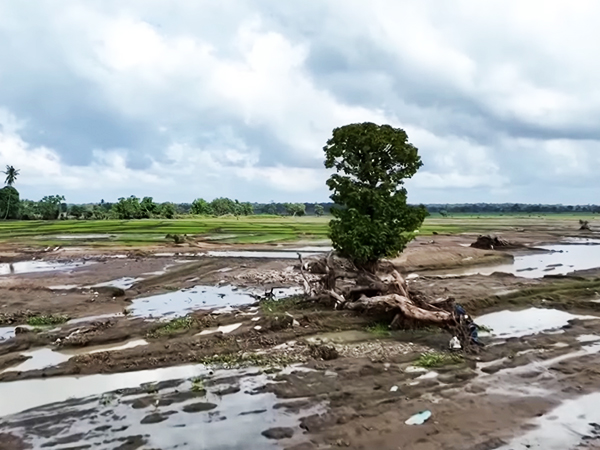
The flooding in Sri Lanka’s rural areas was different but just as dangerous. Paddy fields, irrigation canals, and artificial reservoirs (tanks) are the focal points of many settlements. Cyclone Ditwah exceeded the capacity of these systems, which serve the purpose of storing and distributing water. Emergency spillways overflowed, excess water surged into farms and homesteads, and inflows smashed embankments.
Cyclone Ditwah drove these systems well past their limits in rural districts like Anuradhapura, Trincomalee, Batticaloa, and Mannar, where villages are around paddy fields, irrigation canals, and artificial ponds. Entire farming towns faced floods as large reservoirs like Nachchaduwa and Maavilaru overflowed or burst, and water poured out over embankments into fields and homesteads.
Just as crops were beginning to grow or were ready for harvest, paddy fields vanished beneath heavy, standing water. Home gardens, cattle sheds, and vegetable plots were all part of this destruction. Living areas, kitchens, and storage rooms in rural homes faced floods. These homes were single-story for the most part and near to the ground. Water did not recede. In low-lying areas, it remained for days or weeks, destroying plants, decomposing roots, and leaving behind a layer of mud.
The delay in drying out obviously has long-term effects. Animal feed and grain in storage went bad. Many homes rely on wells for their drinking water, but surrounding fields’ agricultural chemicals, sewage, and garbage contaminated the wells. Families in these rural areas faced a more subdued catastrophe even after the obvious floodwater subsided.
Landslides and Ground Failures due to Cyclone Ditwah
The most striking photos from Cyclone Ditwah featured flooded streets and water-covered houses. However, the deadliest consequences frequently came silently from above in the mountainous country of Sri Lanka. Days of nonstop rain caused the solid ground in the central and upland districts to become unstable and unpredictable. Roads cracked, entire hillsides moved, and formerly secure villages found themselves poised on shifting ground.
Entire Hillsides on the Move due to Cyclone Ditwah
Narrow valleys and streams flow through the steep slopes of districts like Badulla, Nuwara Eliya, and Kandy. Under normal circumstances, terraced tea and vegetable plots and deeply rooted trees aid in keeping the soil cohesive. That balance was no more due to Cyclone Ditwah. The earth was completely wet by the constant, intense rain, which filled every pore with water. Gravity took care of the rest.
A torrent of mud, pebbles, and uprooted trees caused huge parts of the hillside to break away in many spots and slide downhill. Houses that had stood on soft terraces for decades were either buried under rubble or ripped from their foundations. On tea estates, rows of worker housing vanished beneath brown dirt. Families in these towns experienced the calamity as a wall of mud crashing through windows and doors, rather than as a flood.
Manor landslides due to Cyclone Ditwah took place in Mawathura, Kithulbadde, Hadabima, Elkaduwa, and portions of the Kotmale, Badulla, and Nuwara Eliya districts.
Lives Lost and Villages Cut Off due to Cyclone Ditwah
A single route connects many hill settlements to the outside world. These access roads either went into destruction as hillsides crumbled. Road segments also went into destruction after retaining walls collapsed and embankments disintegrated. Trees that fell and dirt damaged or blocked bridges across small rivers and streams.
Isolation was the result for those who lived above these breaks. Although they were unable to easily access it, they could see the wider world beyond a crumbled bend in the road. It proved challenging to transport those who faced tragic injuries. Food, fuel, and medication deliveries slowed or stopped. Entire villages remained essentially helpless on shaky hillsides, counting their losses and waiting for safe routes out or rescue teams, even after the rain stopped.
Ground Instability due to Cyclone Ditwah
The visible landslides ceased, but the risk persisted. The slopes themselves varied in numerous areas of the hill region. Along road shoulders, on estate walks, and next to homes, cracks appeared in the ground. These tension cracks are indicators that the earth was still reacting and that additional movement may occur, particularly if there is heavier rain.
This presents a difficult situation for the locals. Even if a house is still standing, the land underneath it might not be reliable. Families got advice not to go back or to utilize certain residences because the slope can suddenly move again. These dangers change entire communities over time. Once-safe neighborhoods could turn out to be high-risk areas. Some families are reluctant to give up plots that have been with them for generations. Thus, long after the rain has stopped, the highlands are still undergoing its adverse effects.
Human Toll of Cyclone Ditwah
A week after Cyclone Ditwah hit Sri Lanka, the country was counting not only structures that faced destruction but also lives that were no more. According to sources, approximately 1.6 million people were impacted by floods and landslides in all 25 districts. After one week since the start of the cyclone, around 500 people had lost their lives, and around 350 remained missing.
Missing People, Injuries, and Deaths
The pattern of fatalities provides a somber account of Cyclone Ditwah’s impact. Flash floods at night, when people were asleep or had little notice, and sudden landslides in the hill area caused many of the deaths. Landslides alone were responsible for scores of deaths in a single incident, destroying entire clusters of homes in regions like Kandy, Nuwara Eliya, and Badulla, where steep slopes tower over village cottages and workers’ quarters.
Apart from the numbers that indicated dead and missing people, thousands more suffered injuries ranging from wounds and fractured bones to severe damage from fallen trees and collapsing walls. The official totals were less significant to families scouring through the mud in Mawathura, Kithulbadde, and other damaged villages than the empty spots where family members ought to have been.
Massive Displacements
Those who departed seldom went very far. Schools, temples, churches, and community centers all around the island turned into makeshift dorms, with prayer halls and classrooms lined with mats and canvas bags of possessions. In small rooms, families slept side by side with only linens or saris hanging between them. It was nearly impossible to maintain privacy. Toilets and water taps created lines. While older people battled heat, noise, and the anxiety of not knowing when they could return home, children attempted to sleep under bright fluorescent lights.
UNICEF reports that at least 275,000 children have faced troubles, many of them lost school supplies, uniforms, and secure study spaces. Even for those school children, it was not just the chance for quality education during those days they missed. Some of them lost their families, houses, and many more.
Education on Hold due to Cyclone Ditwah

Beyond the news reports about fatalities and shelters, Cyclone Ditwah silently stopped daily activities. The government closed all schools till 16th December and universities till 8th December, and reopening takes place in institutions without any impact. Further, the government postponed the A/L examination to January 2026. It was in the process of happening during the days of floods, .
However, the damage to schools due to flooding is massive. And most of them turned into rescue places. Lessons stopped, exams were postponed, and entire student cohorts were left without a clear schedule for when they would be able to return to class.
Formal lectures were not the main aspect of the loss. When floodwater flooded their homes, several children’s schoolbags, shoes, and uniforms were no more. Personal study materials, exercise books, and notes became a mushy mass.
Replacing these necessities requires additional stress for households already dealing with income loss. Besides, school serves as a location for routine, meals, and social interaction for younger kids. And now, the youngsters might find it difficult to distinguish between “home,” “school,” and “disaster camp” when they have to move from the benches of a classroom to the floor of a packed shelter. All these remain as societal and mental issues that these small minds would find hard to resolve.
Damage to Homes and Buildings due to Cyclone Ditwah
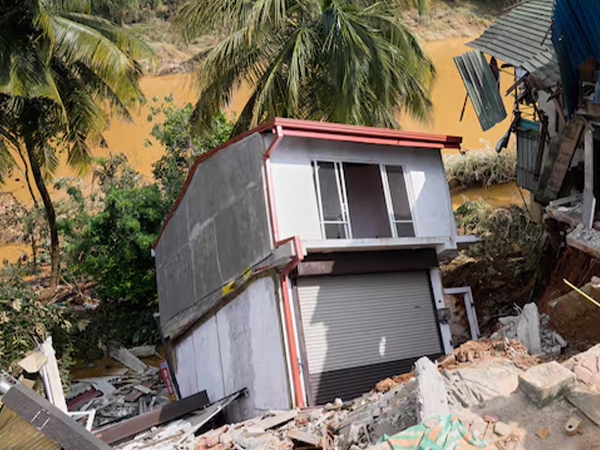
The extent of the physical devastation at the local level was becoming more apparent a week after Cyclone Ditwah. According to estimates, between 44,000 and 45,000 houses have undergone damage throughout Sri Lanka, with tens of thousands more left partially uninhabitable and between 1,200 and 1,300 facing total destruction. Behind those figures are streets with crumbling roofs, damaged walls, and families attempting to salvage what they can find in rooms that still smell like floodwater.
Homes to Total Destruction
Housing had effects in a variety of ways, from “just” damp walls to homes with their foundations completely facing destruction. Water rose through the ground floors in low-lying neighborhoods in Colombo, Gampaha, Puttalam, and other areas, soaking furniture, plaster, and wiring. In some places, homes just did not survive, particularly in landslide zones and beside rivers.
Low-income neighborhoods and informal settlements severely faced damage. Many of these houses are one-story buildings. They don’t have sturdy retaining walls, elevated plinths, or reliable drainage. Walls collapsed, and flooring heaved as mud or floodwater reached them. In peri-urban zones surrounding Colombo, lengthy alleys of modest cottages now bear a visible tide mark where Ditwah’s water lingered for days, while entire rows of tea-estate workers’ quarters in several hill-country communities vanished under the ground.
Impact on Healthcare due to Cyclone Ditwah
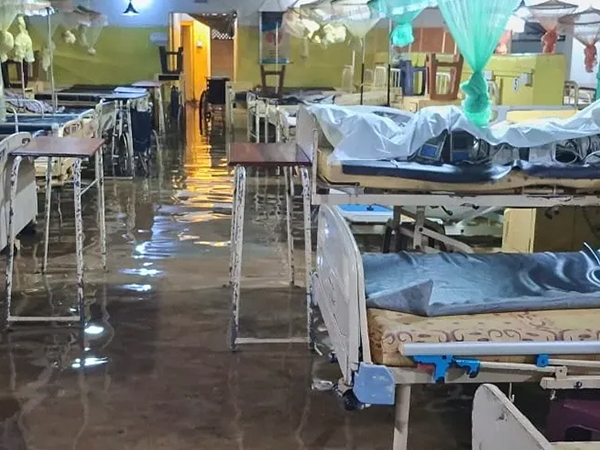
The public fabric of everyday life also faced damage from the cyclone. Hundreds of government buildings, clinics, and schools direct damage or were converted into makeshift shelters. In severely damaged districts, boundary walls fell, and ceilings leaked.
Hospitals and health centers were also not exempt. Equipment and supplies were damaged when floodwater invaded pharmacies and wards on the ground floor. Nearly 900 health facilities have faced damage nationwide, with about 180 of them becoming non-operational, according to estimates. Large base hospitals, small rural clinics, and maternity centers are all part of these figures.
There was some striking and obvious damage for certain main health centres. In fact, more than five feet of floodwater inundated the grounds of the Chilaw District General Hospital in the North Western Province, requiring an immediate halt to services and patient evacuation. Mahiyanganaya Base Hospital in the hill region also became a victim, with only rudimentary services being able to restart a few days after water levels decreased.
In the north, hospitals in Bogaswewa and Nedunkerni exceeded their capacity to the point where they could only offer emergency care, while Vavuniya District General Hospital was still technically operational but had to use the military to transfer patients to larger facilities in Anuradhapura and Jaffna due to blocked roads and disrupted ambulance routes.
Cyclone Ditwah’s Impact on Transport
Cyclone Ditwah rocked Sri Lanka’s entire transportation system at once, causing damage to more than just certain routes. It caused damage to roads and bridges, and railway lines alike.
Impact on Roads and Bridges
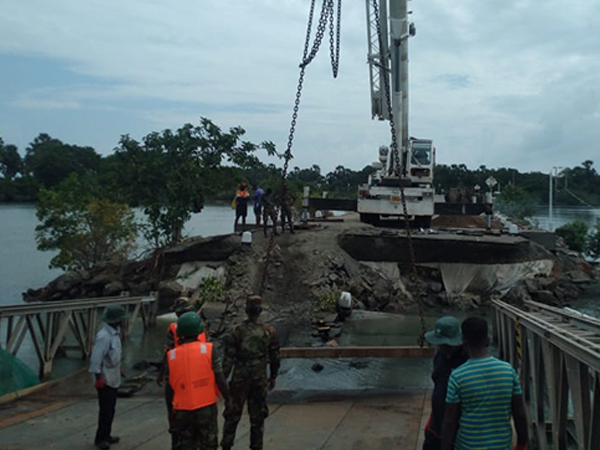
The road system of Sri Lanka faced adverse, destructive effects from Cyclone Ditwah. The Road Development Authority (RDA) claimed that many roads were unusable in the first few days following the impact due to floodwater and landslides. At the same time, many bridges faced damage as well.
Long sections of major roadways in the low-lying Western and North Western Provinces faced floods. Important connections between coastal towns and inland areas, such as sections of the Negombo–Kurunegala highway and the Colombo–Puttalam road near Chilaw, faced this trouble. In the hills, highways in Kandy, Nuwara Eliya, Badulla, and Matale had their bends and issues with landslides, leaving behind sheer drops in place of pavement.
Impact on Railway Lines
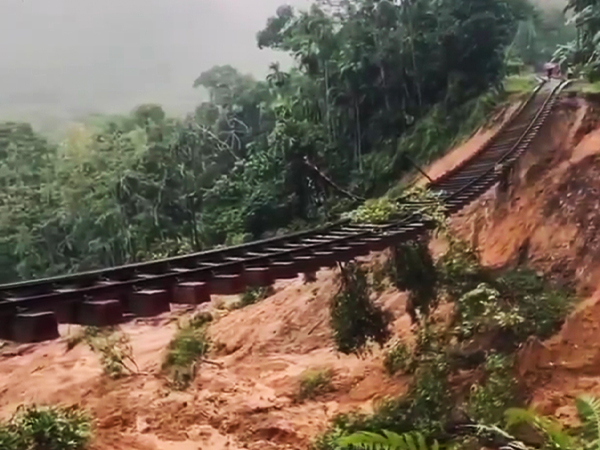
The railway network, which is an essential low-cost mode of transportation for long-distance and commuting travelers, also faced severe damage. Particularly in the hill country and along low-lying coastal sections, floods and landslides blocked or damaged tracks on numerous lines. In the days immediately following the hurricane, only roughly one-third of the network was fully operational.
Particularly on parts of the Main Line and Badulla line, debris from landslides covered the rails. For regular train passengers, such as students, office workers, and small business owners, this meant either replacement buses when they were available or no reasonably priced means of transportation.
Impact on Air Travel
The shock of flying was less severe but no less profound. Operations at Bandaranaike International Airport (BIA) near Colombo saw frequent interruptions at the height of Cyclone Ditwah’s winds and rain. Several flights underwent delays or diversions.
Overall Economic Impact of Cyclone Ditwah in Sri Lanka
It is evident that this is a national shock rather than a local catastrophe. Considering damage to houses, infrastructure, agriculture, and industry, the total losses amount to LKR 210–320 billion (about 0.75–1.0% of GDP). According to a senior government official, the final bill may be significantly higher, with overall economic losses to be between US$6 and US$7 billion, or around 3 and 5% of GDP.
With the help of the World Bank, the government is setting up a special recovery fund to direct reconstruction funds toward housing, roads, and irrigation. The government has set aside approximately Rs. 30 billion in its current budget for urgent catastrophe spending. Banks must deal with an increase in non-performing loans from impacted borrowers, as insurance deals with a flood of claims from families and businesses.
Impact on Agriculture
Just as Sri Lanka was getting ready for its peak ‘Maha season’ of the agricultural calendar, Cyclone Ditwah struck. According to assessments, when the hurricane hit, some 563,950 hectares of rice had already been planted. A large portion of this area faced floods. And hundreds of thousands of hectares of paddy have faced impacts in some way or other. This is not only a difficult season for farming households that depend on one or two harvests annually. It is a direct blow to the year’s food and financial revenue.
Small Businesses
Cyclone Ditwah has harmed Sri Lanka’s small enterprises and laborers outside of the fields. In a matter of hours, ground-floor stores in cities and suburbs lost equipment, refrigeration, and inventory. The tools in small grocery stores, and the possessions of mechanics, hairdressers, and tailors, were no more in proper condition. Many of these companies have narrow profit margins and little to no insurance.
Impact on Essential Services and Utilities by Cyclone Ditwah
Cyclone Ditwah damaged more than just roads and buildings when it passed across Sri Lanka. It also damaged the essential services such as electricity, clean water, sanitary facilities, and connectivity that sustain day-to-day life. Even after a week, many communities continued to struggle with basic amenities.
Power Cuts
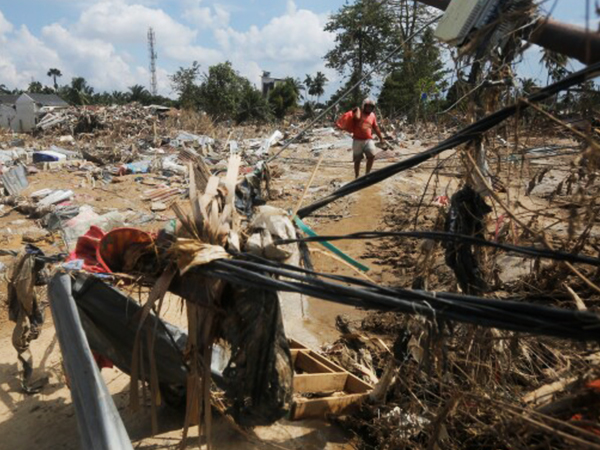
Sri Lanka’s electricity grid faced damage during the cyclone’s peak. Distribution lines and poles collapsed due to strong winds, and transformers and substations also faced damage in several regions. Hundreds of thousands of customers lost power at various points during the storm. In some severely affected areas, homes went without power for three to five days while engineers waited for access roads to clear and water levels to drop before attempting repairs.
The impact extended well beyond the use of candles at night for families and businesses. Food and medications were spoiled when freezers and refrigerators malfunctioned. Small businesses lost perishable inventory. The use of equipment and lighting was not at standard capacity in hospitals and clinics without dependable generators. In other areas, mobile phone towers that relied on mains energy remained dark after switching to backup batteries, severely impairing communication at a time when people were in dire need of news.
Water Supply
Additionally, Cyclone Ditwah affected sanitation and water supplies, particularly in rural and low-lying areas. Floodwater surged into open wells, which remain the main source of drinking water for millions of Sri Lankans, as rivers and tanks overflowed. Without careful cleaning and disinfection, these wells became dangerous after mud, sewage, and agrochemicals washed in from adjacent fields.
Simultaneously, sanitation systems degraded. When the surrounding ground became wet, septic tanks and pit latrines flooded in villages and peri-urban settlements, allowing sewage to mix with standing floodwater. This increased the danger of dengue and other vector-borne illnesses in the weeks following the storm by providing the perfect environment for mosquito breeding and water-borne disorders like diarrhea.
Telecommunications and Connectivity
Additionally, connectivity is essential in any emergency, but it did not function properly in most areas. While landslides and flooding severed fiber-optic routes in multiple corridors, strong winds and fallen trees destroyed overhead wires and mobile towers. In areas of the central highlands, the northern and eastern districts, and several flooded neighborhoods surrounding Colombo, telecom operators reported outages.
For those on the ground, this meant spending hours or days unable to contact family, check on aging parents in a different district, or comfort family members abroad. Online services and digital payments, which many Sri Lankans living in cities depend on for daily transactions, also started to falter. In this way, during one of the most trying times in their life, Cyclone Ditwah not only flooded homes and streets but also momentarily shut off many communities from information, money, and one another.
Conclusion
Cyclone Ditwah in Sri Lanka stands out as much more than a single catastrophic weather event when we take a step back from the specific narratives and data. In less than a week, it destroyed farms, factories, and fishing villages, inundated rivers and cities, and caused fatal landslides in the hills. The entire country, directly or indirectly, had to go through unfavorable events in some way. The unequal, long-term effects on day-to-day living, as well as the lives that are no longer with us, will be the true cost of this catastrophe. The name “Ditwah” will now live on in the empty chairs at dinner, the watermarks on their walls, and the silent will to start over from nearly nothing for countless families, rather than on weather charts.